



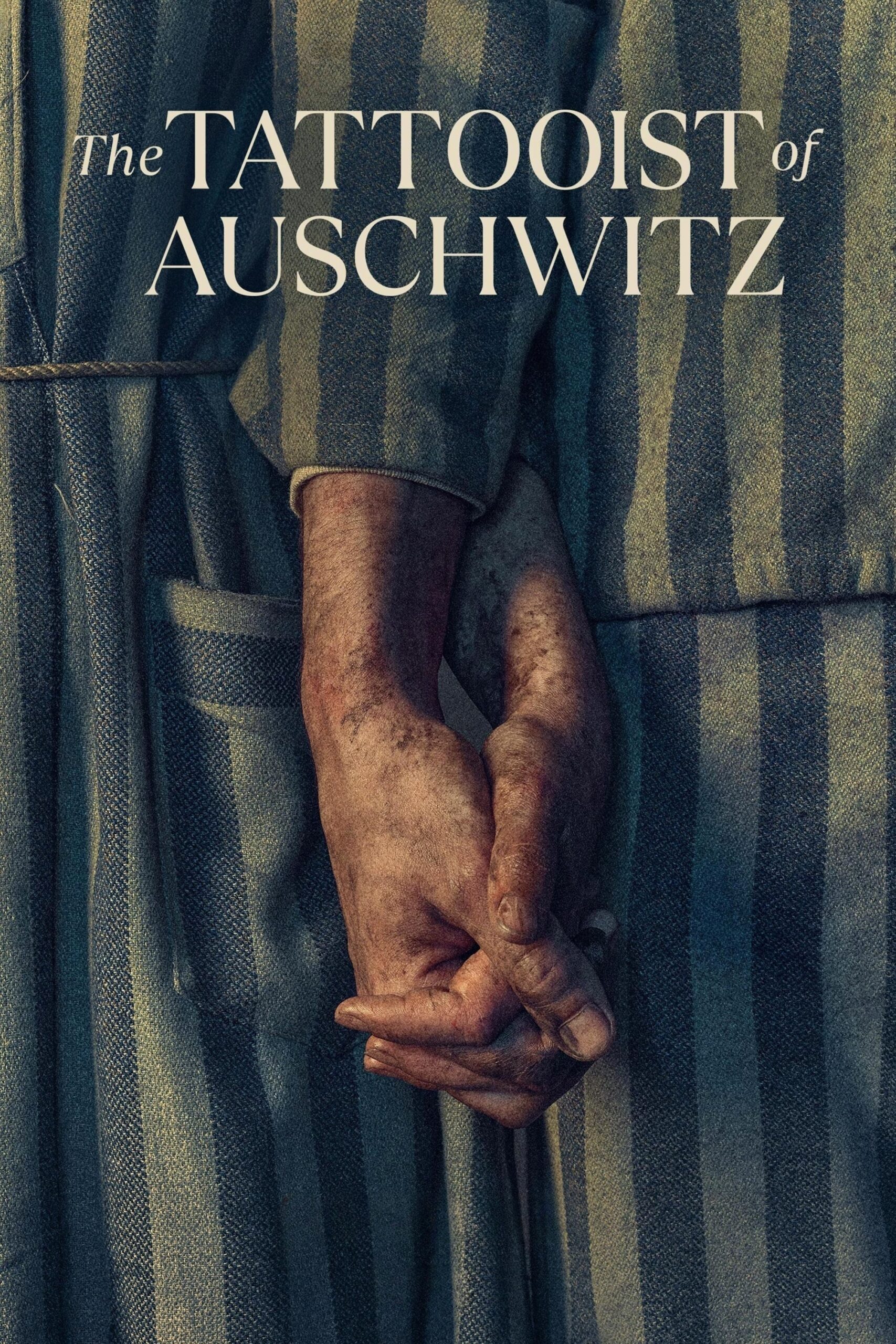
The Tattooist of Auschwitz
The powerful real-life story of Lali Sokolov, a Jewish prisoner who was tasked with tattooing ID numbers on prisoners' arms in the Auschwitz-Birkenau concentration camp during World War II.


You may also like after: The Tattooist of Auschwitz
Adolescence


Masters of the Air

Unorthodox
🎬 Behind the Scenes: The Making of The Tattooist of Auschwitz
- The six-episode drama is based on Heather Morris’ bestselling novel (2018), inspired by real interviews with Lale Sokolov, a Holocaust survivor.
- The series was filmed in Slovakia and the UK, with set designs carefully replicating the Auschwitz-Birkenau concentration camp.
- Executive producers include Claire Mundell (Mayflies) and Jacquelin Perske (The Cry).
📌 How Accurate is The Tattooist of Auschwitz (2024)?
🔹 Real or Fiction?
The miniseries is based on real events from Lale Sokolov, a Slovakian Jew deported to Auschwitz-Birkenau in April 1942. His story was documented through interviews before his death in 2006.
🔹 True Figures vs. Fictional Characters
✅ Lale Sokolov (1916–2006) was assigned to tattoo prisoner numbers as Tatowierer in Auschwitz.
✅ Gita Furman (née Grünbaum, 1925–2003) was a Jewish prisoner he met and later married.
✅ Stefan Baretzki, a brutal SS officer in the novel, is based on real Nazi guards convicted after WWII.
❌ Some secondary characters were fictionalized to enhance storytelling.
📌 What Happened to Lale Sokolov After Auschwitz?
Lale Sokolov survived the Holocaust. In January 1945, as Soviet forces approached, he was transferred to Mauthausen concentration camp in Austria before escaping during a prisoner march. After WWII, he reunited with Gita Furman, whom he had met in Auschwitz, and they married in October 1945. The couple settled in Bratislava, Slovakia, but after facing persecution under the Soviet regime, they fled to Australia in 1948, where Lale became a successful businessman.
He kept his experiences in Auschwitz a secret for over 50 years, only sharing his story with writer Heather Morris in the early 2000s. Lale Sokolov passed away in 2006 at the age of 90, leaving behind a legacy of survival, love, and resilience.
🔹 Events & Dialogue: Do They Align with History?
✅ The Auschwitz prisoner numbering system was real—prisoners were marked for identification upon arrival.
✅ Conditions in the camp, forced labor, and violence reflect historical records.
❌ Some dialogue and romance elements were dramatized for the narrative.
📊 Real Data: Auschwitz-Birkenau & The Holocaust
- Over 1.1 million people were killed in Auschwitz-Birkenau, 90% of them Jewish.
- Lale Sokolov was among the approximately 200,000 survivors of Auschwitz.
- The Soviet Red Army liberated the camp on January 27, 1945.
- The series was released amid rising concerns about Holocaust denial—a 2020 study found that 1 in 10 Europeans believe the Holocaust is a myth or exaggerated.
📢 Final Verdict: A True Story or Just Inspired?
The Tattooist of Auschwitz remains largely faithful to real events, but certain interactions and relationships were romanticized for storytelling purposes. While it offers a powerful portrayal of survival and love, historical purists may find some elements dramatized beyond the historical record.
👉 What do you think? Did the miniseries do justice to history? Share your thoughts below! 🎥🔥
There are no reviews yet.